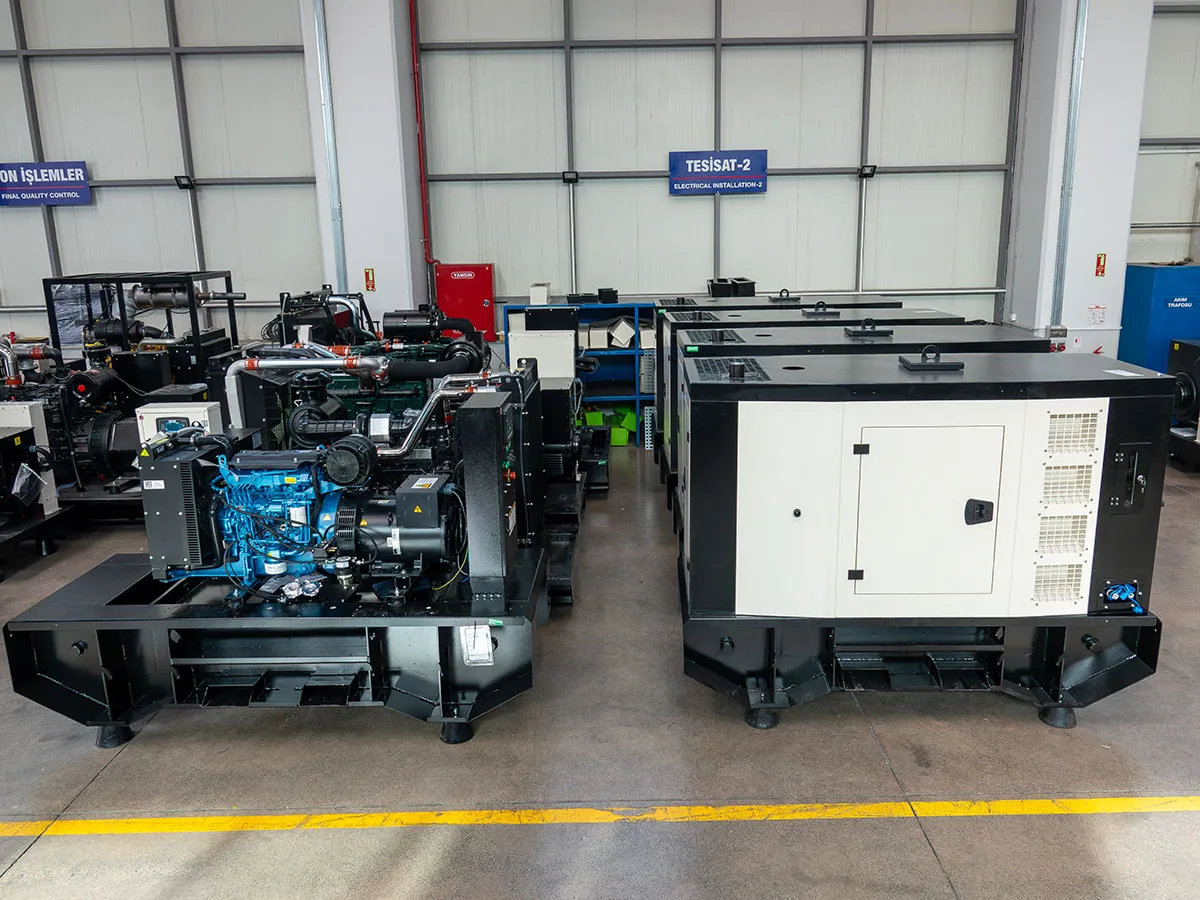
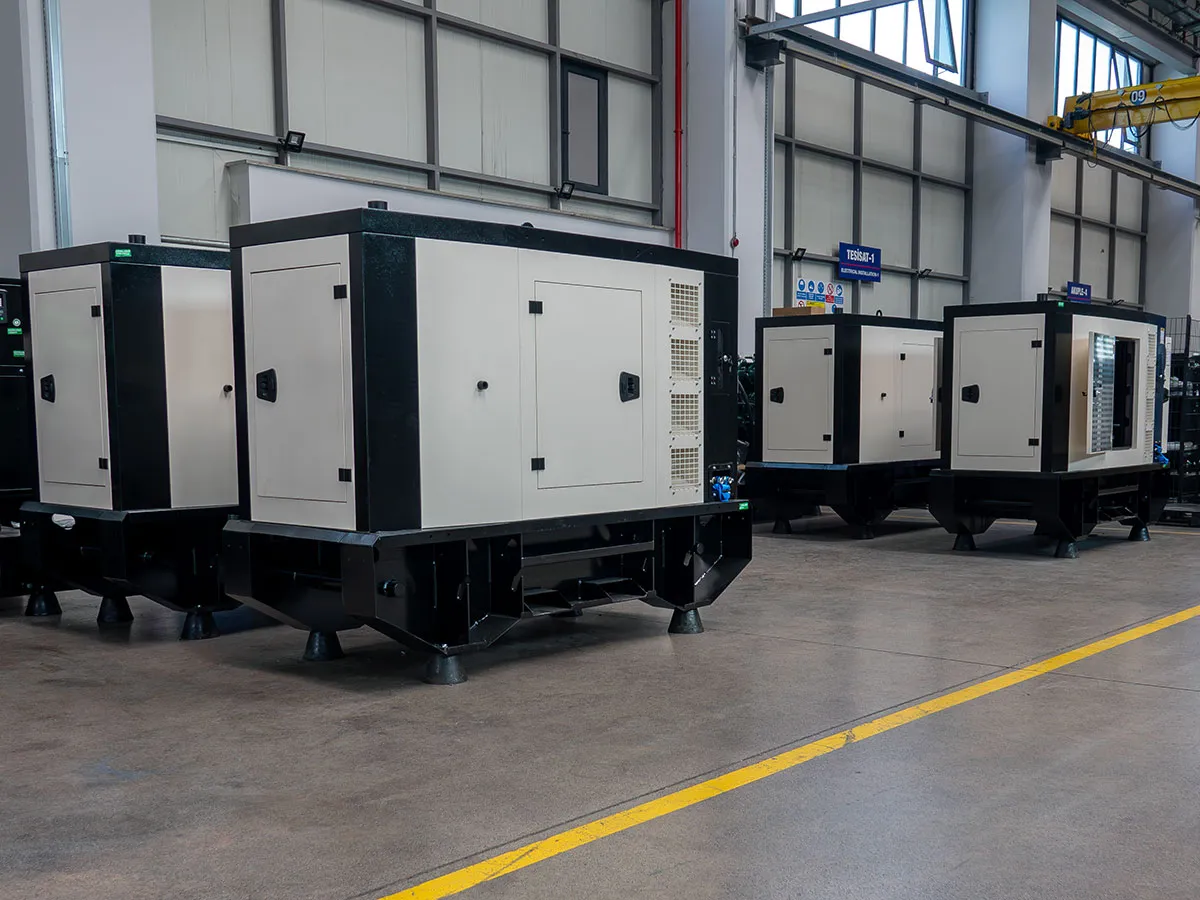
Generator Rental and Hire Solutions for Construction and Industrial Sites
Generator rental and hire can provide temporary power without the capital commitment of purchasing equipment for a short-duration need. Construction and industrial sites commonly use rental generators during commissioning, maintenance shutdowns, grid connection delays, capacity upgrades or unexpected supply problems. The correct rental package should be built around the load profile, voltage and frequency, required duty, operating hours, site access and environmental conditions. Temporary distribution equipment, cables, fuel logistics, earthing, transfer arrangements and on-site support may be as important as the generator itself. For industrial projects, planning should also identify critical loads and acceptable interruption time so the hired equipment can be deployed with an operating method that matches the site's continuity requirements.
How to Choose the Right Rental Generator Size for Your Project
The right rental generator size is determined from the actual connected loads and how they operate, not simply from the total nameplate kW of every device on site. Identify loads that will run simultaneously, motor starting current, compressors, pumps, welders, cranes, HVAC equipment, UPS systems and any nonlinear loads. Then define whether the generator will operate in standby or prime duty and allow for the site's ambient conditions. Oversizing can leave a diesel engine operating lightly for long periods, while undersizing can cause voltage/frequency instability or nuisance trips. For projects with changing demand, staged generators or parallel operation may be more suitable than one oversized unit. A load study before mobilisation reduces both technical risk and unnecessary rental cost.
Emergency Generator Rental for Planned and Unplanned Power Outages
Emergency generator rental is used when power must be restored after an unplanned outage or when a planned shutdown requires a temporary source. The technical preparation is similar in both cases, but emergency mobilisation places greater emphasis on pre-defined connection points, accessible switchgear and current load information. Facilities with high continuity requirements can reduce response time by documenting the required voltage, frequency, phase configuration, connection method, cable route and critical-load schedule before an outage occurs. Planned rental allows more time for load testing and commissioning, while emergency rental may require a staged approach that energises priority loads first. In both situations, source transfer, earthing and protection should be managed by qualified personnel under the site's electrical safety procedures.
Short-Term vs Long-Term Generator Rental Solutions
Short-term and long-term generator rental should be evaluated differently. For a brief outage, event or commissioning activity, rapid mobilisation and straightforward connection may be the main priorities. Longer rentals require a more detailed plan for fuel, scheduled service, spare parts, inspections, operating hours, weather exposure and load changes over time. The commercial structure may also differ because transport, mobilisation and service costs are spread over a longer period. For extended projects, it can be useful to compare one continuously rented unit with alternatives such as a modular fleet, hybrid power or a permanent generator investment. The most appropriate option depends on project duration, utilisation rate, expected load profile and the cost of downtime rather than on the daily rental rate alone.
Mobile Generator Rental for Remote and Off-Grid Sites
Mobile generator rental is especially useful for remote worksites, temporary compounds and infrastructure projects where grid power is unavailable. Mobility simplifies relocation, but each new site still needs a safe setup plan covering ground conditions, cooling airflow, exhaust clearance, cable protection, earthing and refuelling access. The generator should also be selected for the transport restrictions and access conditions of the project, including towing, lifting or forklift handling where applicable. In off-grid operation, fuel delivery becomes part of the energy strategy, so expected consumption, storage rules and delivery intervals should be considered before mobilisation. Where the load varies significantly over the day, a hybrid or multi-generator arrangement may reduce unnecessary engine runtime compared with one large unit operating continuously at low load.
Rental Generators for Events, Infrastructure and Temporary Power
Events, infrastructure works and other temporary power applications often combine different load types within one project. Lighting, catering, sound systems, pumps, temporary offices, tools and specialist equipment can have different starting currents and sensitivity to voltage quality. A rental power plan should separate critical and non-critical loads, determine whether redundancy is required and position distribution equipment so cables can be routed safely. Noise limits, public access and night-time operation may influence whether sound-attenuated equipment is needed. For infrastructure works, the generator may also have to move as the project progresses. The temporary nature of the installation does not reduce the need for protection coordination, earthing, safe transfer switching and routine operational checks throughout the rental period.
Fuel Management, Servicing and Maintenance for Rental Generators
Fuel management and maintenance are central to reliable rental generator operation. The rental agreement should define who supplies fuel, who performs routine inspections, who authorises service work and how operating hours are reported. Long-running sites need a refuelling plan that avoids outages and prevents contamination or unsafe handling. Service intervals should follow the engine and generator manufacturer's requirements, with additional attention to dusty, hot or heavily loaded sites. Remote monitoring, where fitted, can help track run hours and alarms, but physical checks for leaks, fluid levels, battery condition and airflow remain necessary. Clear responsibility between the owner, rental provider and site operator prevents maintenance tasks from being missed and reduces the risk of disputes during the hire period.
Generator Rental for Data Centers, Hospitals and Critical Facilities
Data centers, hospitals and other critical facilities require a rental generator strategy that is designed around continuity rather than simple equipment availability. The temporary source must be compatible with the facility's voltage, frequency, protection system, transfer scheme and critical-load profile. UPS systems, motor loads and sensitive electronics can influence generator sizing and transient-performance requirements. Redundancy may be necessary if maintenance or a single equipment fault cannot be allowed to interrupt service. Ideally, connection points, cable routes and switching procedures are prepared before an emergency so a rental unit can be integrated safely. Load-bank testing or staged functional testing may also be appropriate before critical loads are transferred, depending on the site's risk management and operating procedures.