How to Choose the Right Mobile Generator for Temporary Power Projects
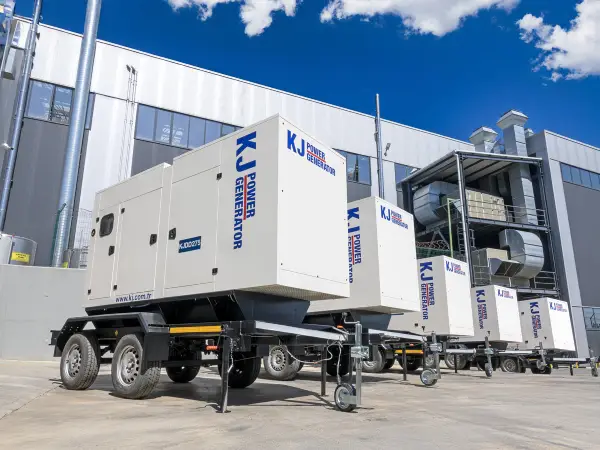
Choosing the right mobile generator for a temporary power project starts with understanding the actual load profile, operating duration, site conditions and how often the unit will be moved. Construction sites, events, maintenance shutdowns and remote projects can all require different combinations of power capacity, mobility and connection options. The connected equipment should be reviewed not only by total running load but also by starting demand, phase configuration and the way loads will change during operation. Site access, towing requirements, fuel logistics, noise expectations and available space should also be considered before selecting a trailer-mounted generator. A correctly specified mobile generator should provide sufficient capacity for the intended duty without being unnecessarily oversized, while remaining practical to transport, position, connect and service throughout the project.
Mobile Generator Power Ratings for Changing and High-Starting Loads
Mobile power applications often include loads that vary throughout the day or draw substantially more current during startup than during normal operation. Motors, pumps, compressors, lifting equipment and some temporary site systems can create short-duration starting demands that must be considered when sizing a mobile generator. Reviewing only the total running kW or kVA can therefore result in an undersized unit. The generator, alternator and control system should be selected according to the expected load steps, starting method, power factor and sequence in which equipment will be energised. Where several high-starting loads are present, staged starting or a suitable operating strategy may reduce the peak demand. Generator sizing should always be based on the real application and the technical limits of the selected generator set rather than a single headline power figure.
Trailer, Axle and Towing Configurations for Mobile Generators
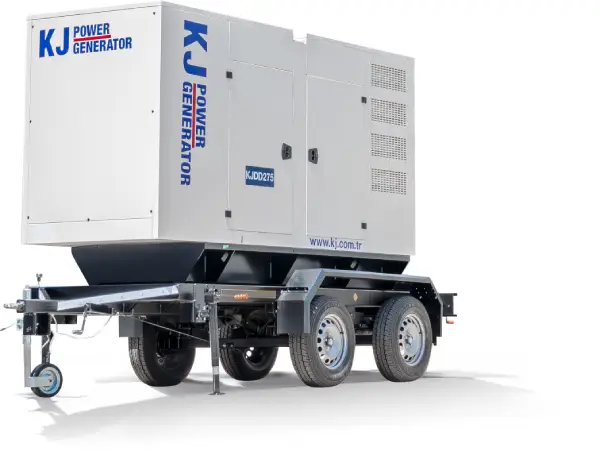
Trailer and axle configuration determines how a mobile generator can be transported, positioned and operated between temporary sites. The appropriate arrangement depends on the generator set's total weight and dimensions, expected road use, towing vehicle, site access and local transport requirements. Depending on the application, a mobile generator may use a purpose-designed trailer with one or more axles, braking and lighting equipment, support legs, towing hardware and other transport-related components. Weight distribution and secure mounting are important for safe towing and stable positioning at the destination. Before road transport, operators should confirm that the trailer, coupling, tyres, brakes, lights and securing points are suitable for the intended journey and that the complete configuration complies with the requirements applicable in the country or region where it will be used.
Power Distribution Options for Mobile Generator Installations
A mobile generator normally forms one part of a wider temporary power distribution system. Depending on the project, power may be distributed through suitable connection terminals, distribution boards, protective devices, cables and site-specific outlets before reaching the final loads. The distribution arrangement should match the generator voltage, frequency and phase configuration as well as the electrical characteristics of the connected equipment. Cable sizing, protection coordination, earthing, load balancing and safe routing are particularly important on temporary sites where equipment locations can change during the project. For multi-load installations, a planned distribution layout can simplify connection, reduce unnecessary cable runs and help maintain safe operation. Electrical connections and protection arrangements should be designed and implemented by qualified personnel in accordance with the requirements of the specific site.
Prime Power and Standby Power with Mobile Generators
Mobile generators can be configured for either prime power or standby power applications, but the correct rating depends on how the generator will actually be used. In a prime power application, the mobile generator may serve as the main source of electricity where utility power is unavailable or unsuitable, such as at construction sites, remote operations or temporary facilities. In standby applications, the generator is used as a backup source when the normal power supply is interrupted. The applicable prime or standby rating should always be checked in the technical documentation for the selected generator set because permitted operating conditions and load profiles differ. Defining the expected duty before selection helps ensure that the mobile generator is matched to the project's operating hours, load variation and backup requirements.
Mobile Generator Performance in Harsh Site Conditions
Mobile generators are frequently used in demanding environments where dust, high or low ambient temperatures, humidity, rain, uneven terrain or repeated relocation can affect operation. Site conditions should therefore be considered during both generator selection and setup. Adequate cooling airflow, suitable enclosure protection, clean air intake, correct positioning and sufficient service access are essential for reliable performance. Dusty or high-temperature sites may also require closer inspection and maintenance in line with the engine and generator manufacturer's recommendations. Altitude and ambient temperature can affect available output on some generator sets, so model-specific derating information should be checked when the unit will operate in challenging conditions. Preparing the generator for the actual environment helps support reliable temporary power while reducing avoidable operating issues.
Road Transport and Local Compliance for Trailer-Mounted Generators
Trailer-mounted generators intended for road transport must be evaluated not only as power equipment but also as towable units subject to local transport rules. Requirements can differ by country or region and may cover trailer registration, permitted dimensions and weight, axle loads, braking systems, road lighting, reflectors, towing equipment, tyres and driver or vehicle requirements. A configuration that is suitable in one market should not automatically be assumed to be road-legal in another. Before transporting a generator, the operator should verify the applicable local regulations and confirm that the trailer and towing vehicle are compatible with the complete operating weight. Project planning should also consider access restrictions, loading and unloading conditions, site manoeuvrability and safe positioning once the generator reaches its destination.