Our Data Center References
You can review KJ Power Generator's power projects carried out in different sectors and its current references.

Our Products for Data Centers
KJ Power power solutions for backup of critical loads, high power requirements, parallel operation and energy continuity.
The Critical Role of Uninterruptible Power Infrastructure in Data Centers
The critical role of power infrastructure in data centers stems from the fact that a power outage can create simultaneous effects on multiple systems. Even if computing loads continue to be supplied, the loss of required cooling or control functions may put service continuity at risk. Therefore, the energy chain should be evaluated together with sources, distribution panels, the transfer arrangement, uninterruptible power supplies and supporting installations. It should be clearly defined which component will remain in operation under which failure scenario. The level of interruption that the operation can accept and the capacity it wants to protect during maintenance are the basic inputs of the architecture. The generator is an important component of this structure, but it does not by itself guarantee the continuity of the entire infrastructure. The success of the design depends on identifying the dependencies between systems and planning the energy flow end to end.
Reliable Backup Power Solutions for Critical IT Loads
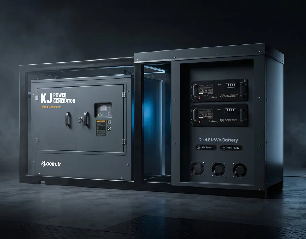
When designing a backup power solution for critical IT loads, the correct relationship should be established between the supply continuity of server and network equipment and the generator start-up process. When sized appropriately, the uninterruptible power supply supports the connected loads during this transition period; the generator provides the required energy if the interruption continues. UPS battery capacity should be evaluated based on the actual load and expected transition scenario. The compatibility of the generator output with UPS input conditions is also important; voltage and frequency behavior should be assessed together during load transfer. If critical devices have multiple power inputs, it should also be checked whether these inputs are actually connected to independent energy paths. Thus, the backup power approach focuses on the continuity of the supply path reaching the IT load rather than the number of devices.
Sizing Generator Systems According to Data Center Load Profiles
In sizing data center generator systems, UPS losses, the need to recharge batteries, cooling equipment and auxiliary consumption are evaluated in addition to the IT load. Total installed power and the load that will be supplied simultaneously at the time of an outage should be distinguished from each other. The starting behavior of motor-driven cooling equipment and the input characteristics of electronic power converters can create effects that cannot be seen through a continuous consumption calculation alone. The relationship between active power, apparent power and power factor is also taken into account in capacity selection. The sequence in which loads are brought online is important in terms of the acceptability of transient voltage and frequency changes. When planning future capacity increases, low-load conditions in the initial period should not be overlooked. Selection should be made based on actual load data and the verified performance information of the relevant generator rather than a fixed oversizing factor.
Generator and Synchronization Solutions Suitable for Redundancy Scenarios
A redundancy scenario in data centers requires the capacity needed in normal operation and the capacity to be protected in the event of failure or maintenance to be defined together. In an N+1 approach, an additional standby unit is considered on top of the capacity that meets the requirement, while in structures containing independent supply paths, the separation of sources and distribution is also evaluated. The presence of multiple generators alone does not mean that these objectives are met. A common fuel system, control infrastructure or distribution point can create a common-mode failure risk. The synchronization arrangement manages the parallel operation of generators under suitable conditions and load sharing. In the event that one unit goes out of service, the adequacy of the remaining capacity, load priorities and restart sequence should also be included in the scenario. This integrity enables redundancy to be evaluated through system behavior rather than only the number of equipment.
Medium Voltage Generator Systems for High Power Requirements
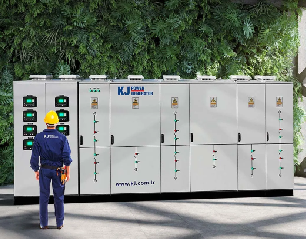
In data centers with high power requirements, medium-voltage systems can be evaluated as an option in the energy generation and distribution architecture. Carrying lower current at a higher voltage for the same power can provide certain advantages in terms of distribution distances and cabling; however, the decision should not be based on this relationship alone. Direct generation at medium voltage and step-up from low voltage through a transformer should be compared according to the facility structure. Switchgear equipment, protection coordination, grounding, insulation and competent operating personnel requirements affect the project scope. Short-circuit conditions and protection behavior under different operating scenarios should also be examined. The suitability of a medium-voltage generator solution depends on the distribution infrastructure and maintenance organization as much as on total power. The technical scope of the selected configuration should be verified on a project-specific basis.
Project-Specific Engineering and System Integration for Data Centers
System integration in data center projects requires generator control, UPS, cooling automation and electrical distribution to come together under a common operating logic. When a grid loss is detected, which commands will be generated, under which conditions the generator will take the load, and in what sequence the loads will be transferred should be defined in advance. The status information to be sent to the monitoring system, alarm priorities and the operator's intervention authority are also clarified. In facilities where new capacity is added, how existing control scenarios will be affected by the change should also be examined. In the project evaluation to be carried out with KJ Power Generator, clarifying interfaces and boundaries of responsibility supports the consistent progress of integration. At the acceptance stage, not only the separate operation of the equipment but also the behavior they demonstrate together in planned grid loss and return scenarios should be evaluated.
Customized Solutions Suitable for Space, Noise and Operational Requirements
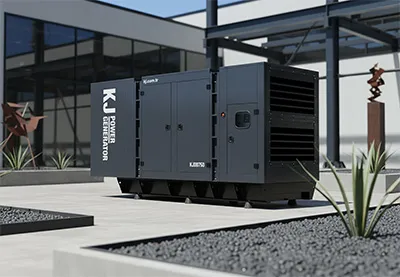
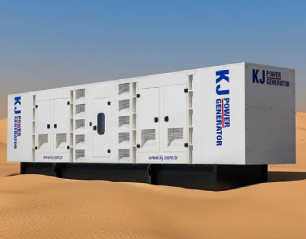
In a data center layout, the space allocated to the generator requires an evaluation broader than the external dimensions of the equipment. Sufficient space should be left for air inlets and outlets, maintenance corridors, fuel filling access and possible future equipment replacement. At sites where multiple sets are placed close to one another, the recirculation of hot air and interacting airflow patterns are examined. The enclosure, silencer or acoustic arrangements selected for noise control should not adversely affect cooling and exhaust conditions. Neighboring structures and the facility's sensitive working areas are taken into account in the noise assessment. A customized solution should establish a balance between layout, access and operating requirements rather than simply minimizing space. This approach also supports maintaining the availability of other power sources during maintenance.
KJ Power Generator and Energy Systems for Data Centers
Generator and energy systems to be evaluated with KJ Power Generator for data centers should be considered in harmony with the facility's critical power architecture. Diesel generator selection, synchronization requirement and project-specific engineering scope are discussed based on IT capacity, supporting loads and redundancy targets. The connection conditions and application constraints of a new data center and a facility expanding its existing capacity may be different. Therefore, defining the solution scope only by the number of generators and power rating is not sufficient. Control interfaces, installation space, operating procedures and maintenance expectations should also be included in the evaluation. A facility classification or a certain availability level is not achieved automatically through generator selection. The relevant targets should be separately verified against the evaluation criteria applicable to the entire energy infrastructure and project.
KJ Power's Manufacturing and Engineering Capability in Critical Power Projects
Manufacturing and engineering capability in critical power projects is evaluated through the correct transfer of design requirements to the selected generator configuration and verification of its compatibility with the facility. The relationship between the engine, alternator, control system and auxiliary equipment is as important as their compliance with the project specification. KJ Power Generator's manufacturing and project-specific engineering approach should be considered within the operating scenarios required by the data center. Technical documentation, connection information, maintenance requirements and the checks to be applied during acceptance should be clarified at the outset. If there are special expectations such as transient load changes or multi-generator operation, the verification methods for these should also be defined. Determining the scope of factory and site checks in advance creates a common basis for evaluation during the transition of the equipment from production to operation. Thus, capability is associated with concrete project requirements rather than general statements.
Power System Applications for Data Centers
Power system design in data centers should be created by evaluating critical IT loads, cooling infrastructure, redundancy architecture, load profile and the facility's future capacity plans together.

The energy continuity of server, network and data processing equipment is planned through scenarios in which the UPS, generator and distribution infrastructure will operate together.
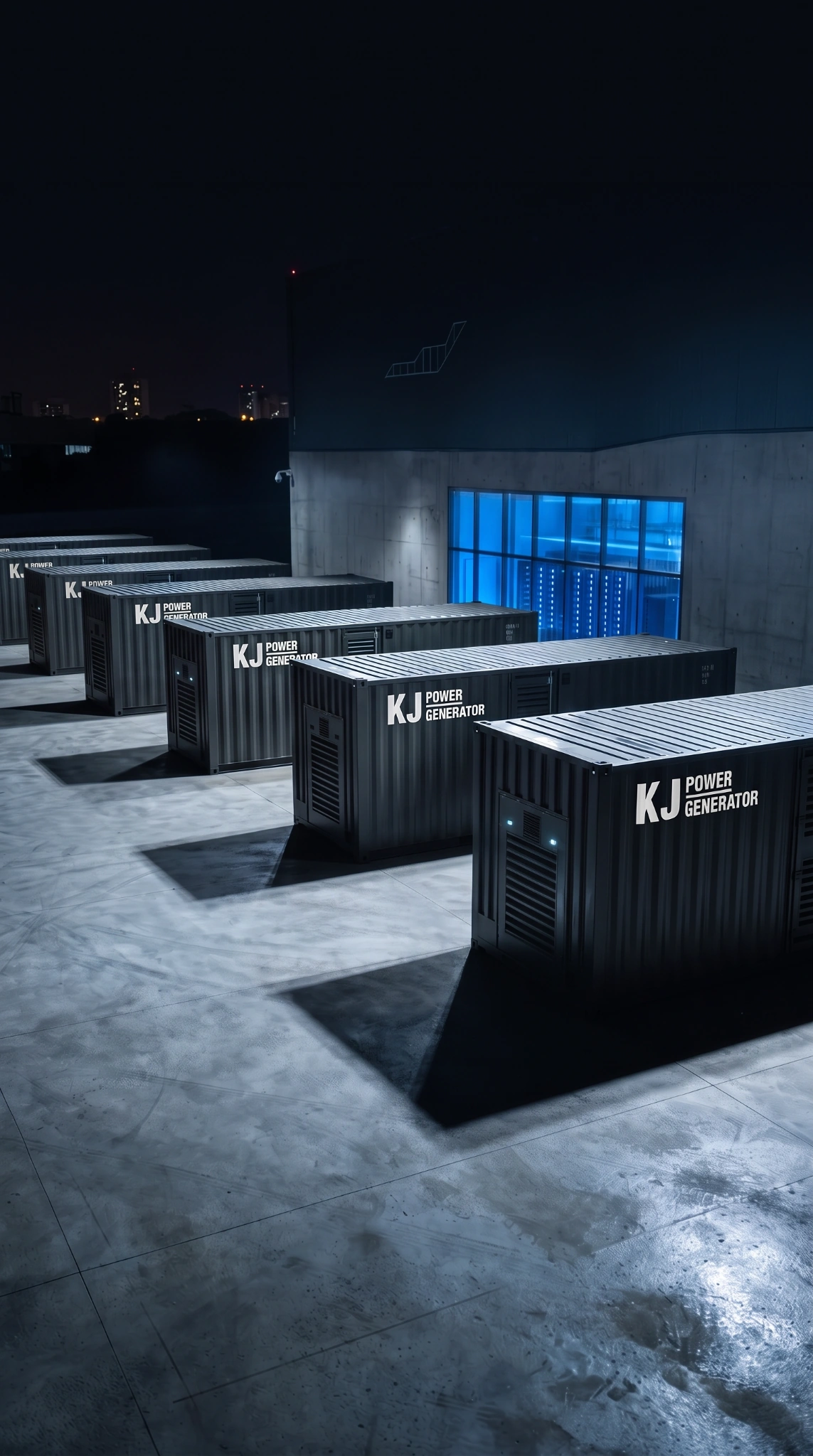
In N+1 and similar redundancy scenarios, the capacity of multiple generators, load priorities and system behavior in the event of a failure are evaluated together.
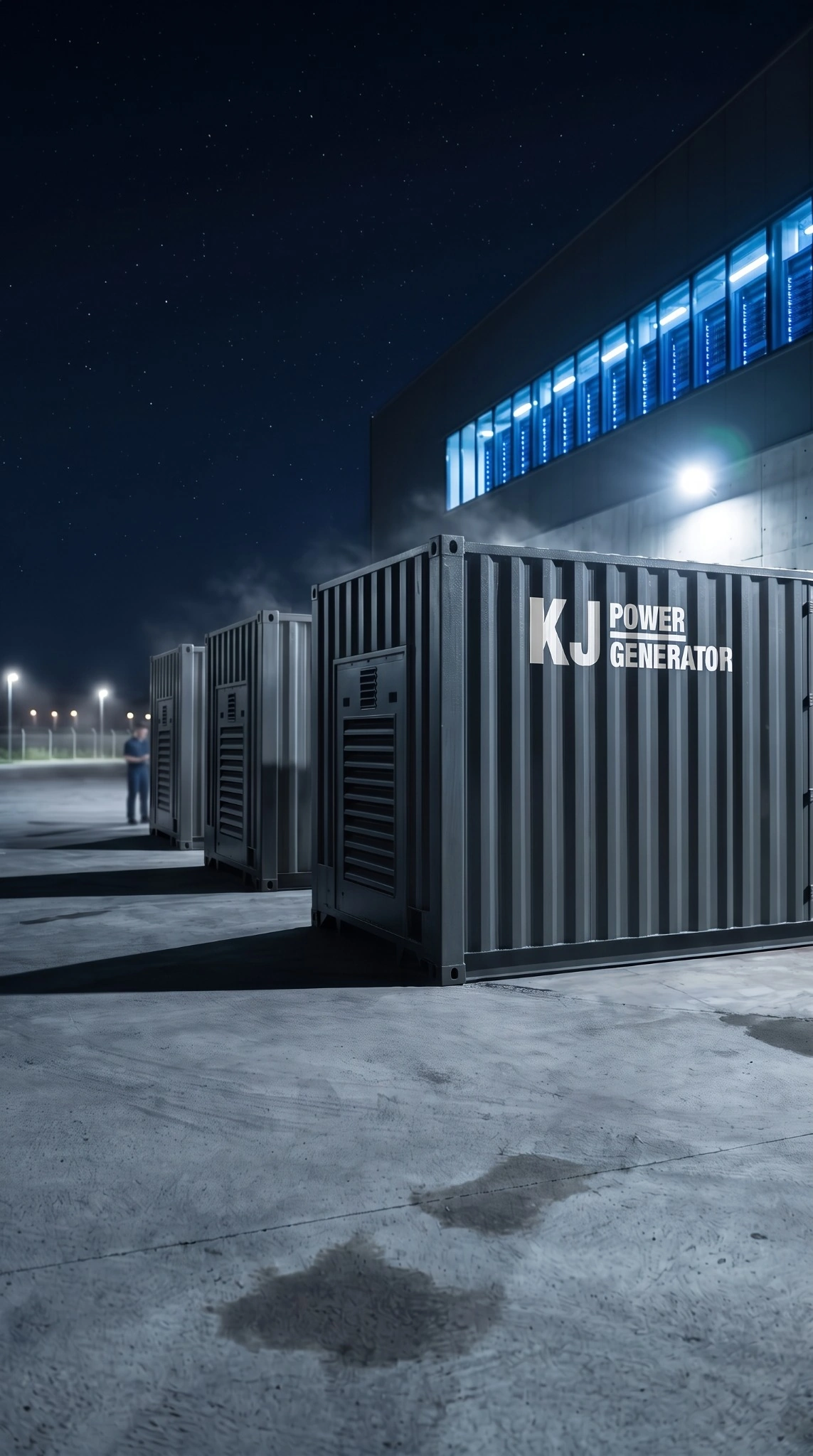
In multi-generator systems, parallel operation, load sharing and the controlled commissioning of generators when required are an important part of power management.
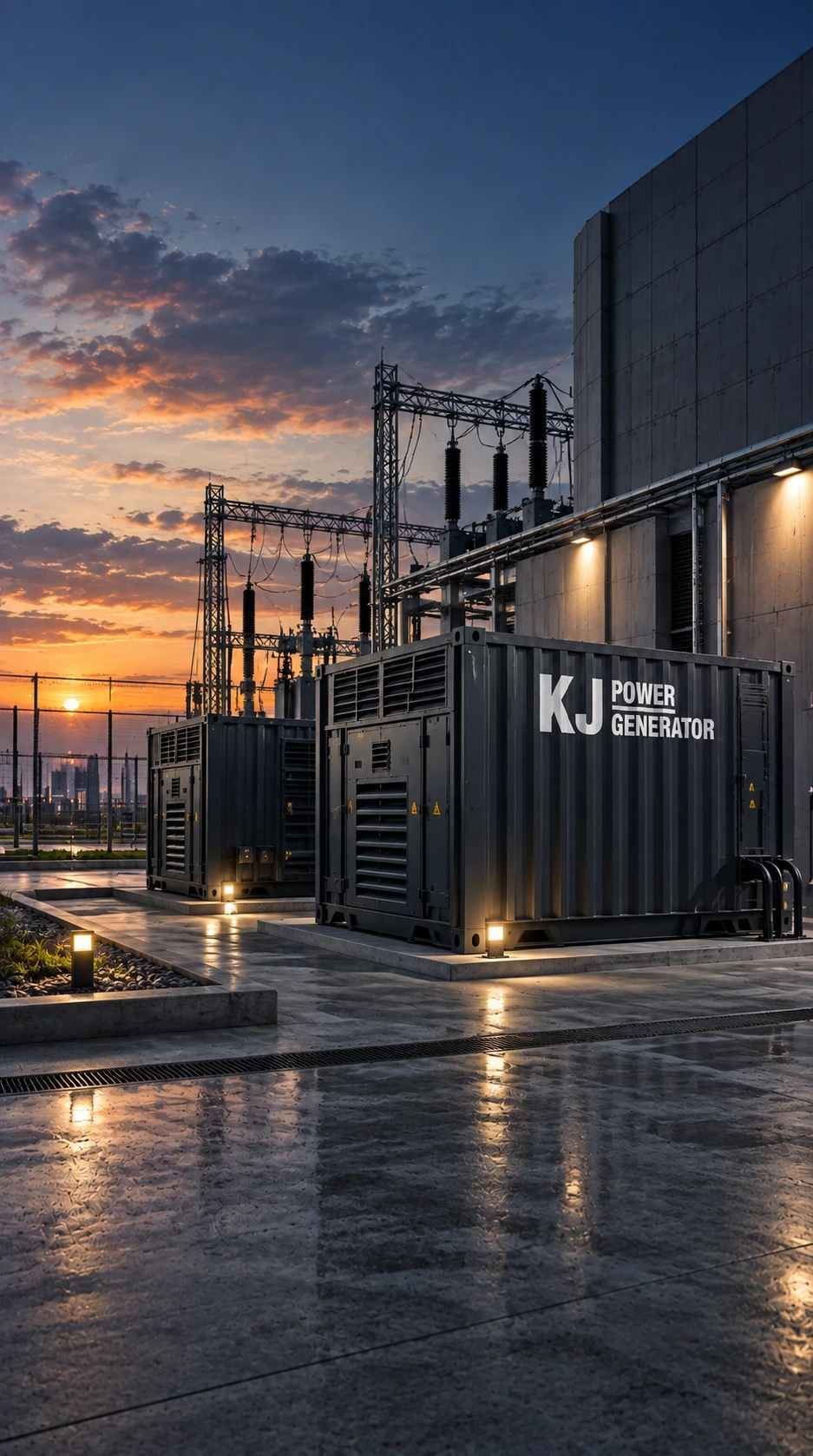
In large-scale data centers, high power requirements and the medium-voltage distribution infrastructure are engineered according to the facility's electrical architecture and connection conditions.


