Acoustic Generator Canopies for Low-Noise Power Generation
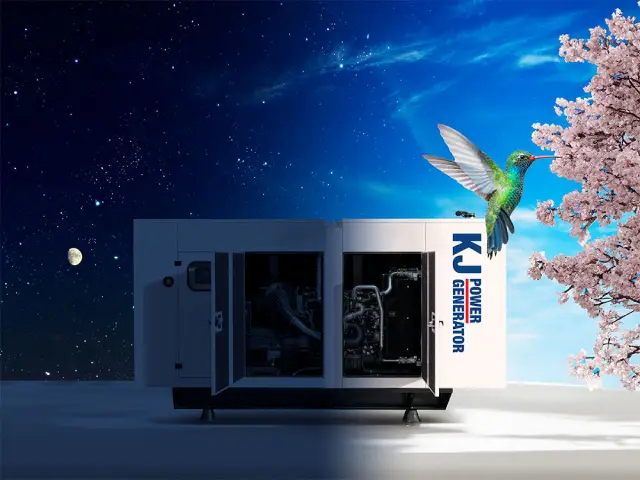
Acoustic generator canopies are designed to reduce the sound transmitted from the engine, alternator, cooling system and exhaust while still allowing enough air for safe operation. Effective attenuation normally combines enclosure mass, internal acoustic materials, lined air paths, suitable intake and discharge geometry and an exhaust silencer. The target should be defined as a project noise requirement at a specified distance or boundary, not simply as a "silent" canopy description. Generator size, cooling airflow and load all influence the final acoustic result. For hospitals, hotels, residential developments and urban sites, the enclosure design may need to balance a strict noise target with ventilation and service access. Any acoustic performance should be verified against model-specific test data and the actual installation environment.
Weatherproof Generator Enclosures for Outdoor Installations
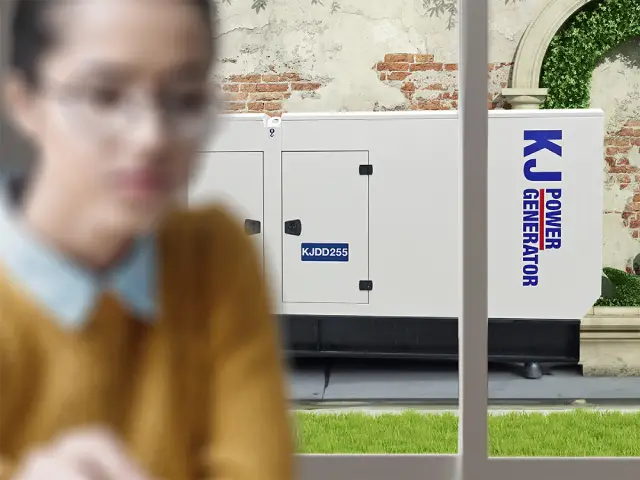
A weatherproof generator enclosure protects equipment from outdoor exposure while maintaining ventilation, drainage and service access. Outdoor design should consider rain entry, wind-driven water, dust, solar heating, snow or ice where relevant, and the direction of radiator discharge and exhaust. Louvers and air paths should be arranged to limit water ingress without creating excessive airflow restriction. Doors, seals, roof joints, base frame and cable penetrations are also potential weather-entry points. A canopy described as weatherproof is not automatically suitable for every climate; coastal corrosion, extreme cold or high ambient temperature may require additional materials or thermal design. The project specification should therefore identify the site's environmental conditions and required enclosure protection before the canopy is selected.
Generator Canopy Noise Levels and Sound Attenuation Explained
Generator canopy noise is normally described using sound pressure data measured under defined conditions. The result is affected by generator load, engine and fan speed, exhaust silencing, enclosure construction, measurement distance and nearby reflecting surfaces. Sound attenuation is the reduction achieved by the acoustic design compared with an open installation under comparable conditions, but it should not be expressed as one universal dB value for all generator sets. Air intake and radiator discharge openings are often critical acoustic paths, so reducing noise without restricting cooling airflow requires careful louver and baffle design. For a project with a legal or contractual noise limit, use model-specific acoustic data and, where necessary, a site noise study that includes buildings, barriers and property boundaries.
Ventilation and Cooling Requirements for Generator Enclosures
A generator enclosure must remove the heat released by the engine, alternator, radiator and exhaust system while supplying combustion air. Acoustic insulation can make this more difficult because every added baffle or narrow airflow path creates resistance. Ventilation design therefore needs to balance noise attenuation with acceptable pressure drop and temperature rise. Cooling air should enter and leave without recirculating hot discharge air back into the enclosure. Louvers, fans, radiator ducts and sound barriers must be sized for the selected generator and site ambient temperature. Service doors should not be used as permanent ventilation openings unless the design specifically requires it. Poor airflow can cause high coolant temperature, power derating or shutdown even when the generator itself is correctly sized.
Acoustic Canopy vs Containerized Generator Enclosure
An acoustic canopy is typically a close-fitting enclosure around a generator set, intended to provide weather protection and sound attenuation with a compact footprint. A containerized enclosure uses a larger structural module that can provide more internal working space and can integrate equipment such as large fuel tanks, switchgear, silencers or specialised ventilation systems. Containerized solutions are often considered for high-power or project-specific installations where transportability and integrated auxiliary equipment are important. The choice depends on generator size, required noise level, maintenance access, lifting and transport constraints, fuel autonomy and the amount of additional equipment to be housed. A larger enclosure is not automatically quieter; acoustic performance still depends on the detailed airflow, wall and exhaust design.
Corrosion-Resistant Generator Canopies for Coastal and Harsh Environments
Coastal and harsh environments can accelerate corrosion on generator enclosures because of salt, humidity, industrial contaminants and repeated wet-dry cycles. A suitable canopy can use corrosion-resistant sheet materials, surface preparation, protective coating systems, sealed joints and hardware selected for the environment. Drainage is important because trapped water can undermine even a high-quality coating. Air intake paths should also be arranged to limit direct salt spray while maintaining cooling performance. The required corrosion protection should be matched to the site's exposure severity and maintenance plan rather than treated as a cosmetic paint choice. Regular washing, coating inspection and repair of damaged surfaces remain important throughout the generator's service life, particularly around doors, fasteners, base frames and lifting points.
Custom Generator Canopies for Large Industrial Generator Sets
Large industrial generator sets often require a custom enclosure because standard canopy dimensions may not provide the airflow, access or auxiliary-system space needed for the project. Design inputs include generator dimensions and weight, radiator airflow, target noise level, exhaust silencer, fuel system, switchgear, fire-safety requirements, lifting points and transport constraints. Modular construction can simplify shipping and maintenance, while dedicated service corridors or removable panels can improve access to filters, batteries, radiators and major engine components. The enclosure should also allow future replacement of heavy components without unnecessary structural disassembly. For high-capacity sets, the canopy or container becomes part of the engineered generator system and should be designed alongside the mechanical and electrical package.
Generator Enclosure Design for Easy Maintenance and Service Access
Good generator enclosure design supports maintenance as well as protection. Doors and removable panels should provide safe access to filters, fluid fill points, batteries, control panels, radiator components and routine inspection areas without forcing technicians to remove major acoustic sections. Clearance for tools and component replacement should be considered during design, especially around service items that must be changed at regular intervals. Lighting, anti-slip surfaces and safe door restraint can also improve service conditions in larger enclosures. Maintenance access should not compromise sound or weather performance when the enclosure is closed, so seals and acoustic interfaces around doors need careful detailing. A serviceable canopy reduces maintenance time and helps ensure that acoustic panels or ventilation parts are not damaged during routine work.