Generator Solutions for Different Applications
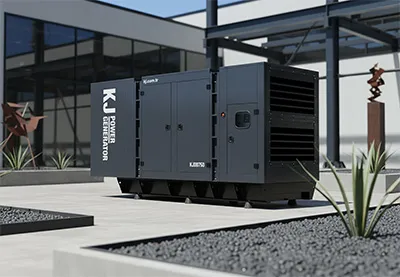
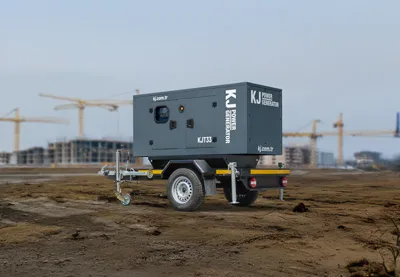
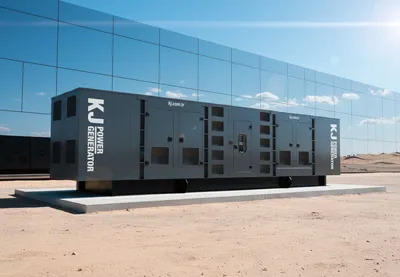
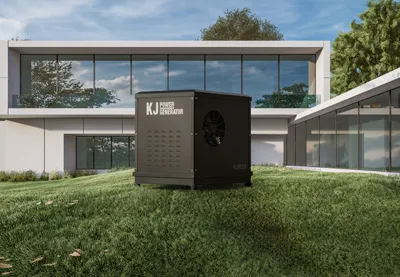
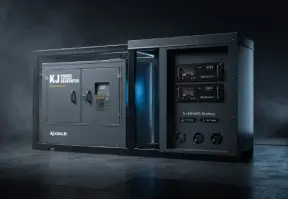
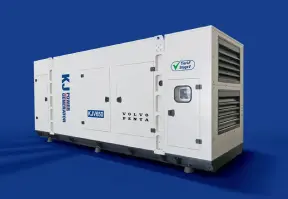
Generator solutions should be planned according to the operating conditions, power requirements, and energy continuity expectations of each application. Industrial facilities, construction sites, commercial buildings, healthcare facilities, data centers, agricultural operations, event areas, and infrastructure projects have different energy requirements. Therefore, total load capacity, operating duration, environmental conditions, fuel preference, and mobility requirements should be evaluated when selecting a generator. High-capacity stationary solutions may be suitable for permanent installations, while mobile or rental generators can provide greater flexibility for temporary projects. For critical loads, automatic transfer systems, redundancy, and rapid start-up capabilities help maintain energy continuity. Sound-attenuated enclosures can be preferred in noise-sensitive areas, while robust protective structures are important for outdoor applications. Selecting the right generator solution helps provide the required power reliably, optimize fuel consumption, and control operating costs. Application-specific planning also supports efficient, reliable, and long-term system operation, while service accessibility, maintenance planning, and spare parts availability contribute to operational reliability.
A Comprehensive Approach to Power and Energy Requirements
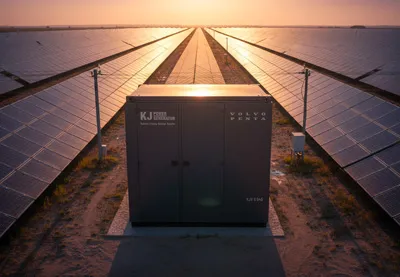
Managing power and energy requirements effectively involves more than selecting a generator with the appropriate capacity. A facility’s current energy consumption, critical loads, backup power requirements, operating periods, grid conditions, and potential future capacity increases should be evaluated together. Within a comprehensive approach, generator systems can be integrated with energy storage solutions, transfer panels, synchronization systems, remote monitoring infrastructure, and cogeneration applications when required. This allows energy generation, storage, distribution, and backup processes to be planned as a coordinated system. In manufacturing facilities, commercial operations, data centers, and other applications with low tolerance for power interruptions, coordinated system components help improve energy reliability. Proper planning also supports the management of changing loads, control of fuel consumption, and organization of maintenance processes. Avoiding undercapacity or unnecessary overcapacity can improve investment efficiency. A comprehensive energy strategy therefore addresses current requirements while creating a flexible and reliable power infrastructure capable of adapting to future capacity changes and operational needs.
Power Solutions for Industrial Energy Requirements
Power requirements in industrial facilities can vary depending on production lines, motors, pumps, compressors, automation systems, and auxiliary equipment. Generator systems should therefore be selected by considering not only total installed capacity but also load profiles, operating conditions, and continuity requirements. Depending on continuous or standby power needs, diesel generators, natural gas generators, twin systems, parallel generator sets, and energy storage systems can provide different solutions. In facilities requiring high power, synchronized operation of multiple generators can support both capacity management and system redundancy. Rapid start-up, automatic transfer, remote monitoring, and fault notification capabilities are particularly important for critical production processes. Environmental factors such as temperature, humidity, dust, and noise limitations should also be considered during equipment selection. A properly designed industrial power system can help reduce production losses, improve maintenance planning, and control energy costs. Service accessibility, spare parts availability, and ease of maintenance are also important factors in supporting reliable and efficient long-term operation.
Determining Project-Specific Power Systems
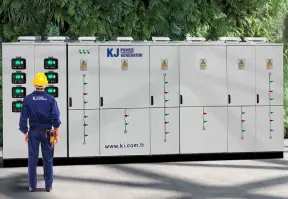
Determining a project-specific power system requires a detailed assessment of technical and operational requirements before equipment selection. Total power demand, critical loads, starting currents, simultaneous operating scenarios, daily operating duration, and tolerance for power interruptions form the basis of an effective system design. Site conditions such as available installation space, ambient temperature, altitude, humidity, dust, noise limitations, and fuel accessibility should also be evaluated. Diesel or natural gas generators may be suitable for stationary facilities, while mobile generator solutions can provide flexibility for temporary or changing applications. Parallel generators, twin systems, and synchronization solutions can be considered when higher capacity or redundancy is required. Energy storage systems can also support load balancing and more flexible energy management. Capacity planning should consider both current requirements and potential future loads. A project-specific engineering assessment helps avoid unnecessary capacity, optimize operating costs, and strengthen energy continuity. Control panels, transfer equipment, cabling, fuel systems, and remote monitoring should also be evaluated as integrated components of the overall power solution.
Reliable Generator Systems for Uninterrupted Power
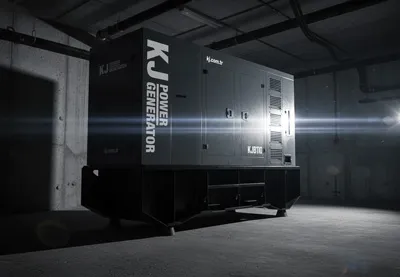
In facilities where continuous energy availability is critical, generator system reliability plays an important role in maintaining operations and protecting essential equipment. Grid outages, voltage fluctuations, and unexpected power problems can stop production lines, cause data loss, and interrupt essential services. Generator selection should therefore consider not only power capacity but also start-up time, automatic transfer capability, redundancy, and maintenance requirements. In critical applications, the generator should detect a grid failure, start automatically, and supply connected loads safely. Parallel generator systems can provide additional capacity and help maintain energy continuity when high power or redundancy is required. Remote monitoring systems enable operating hours, fuel levels, load conditions, and system alerts to be tracked regularly. Planned maintenance and functional testing help ensure that generators remain ready when needed. Selecting the appropriate capacity, system configuration, and service strategy for each application can reduce operational losses, improve preparedness for unexpected outages, and support reliable long-term energy security.
Power Systems for Sustainable Energy Management
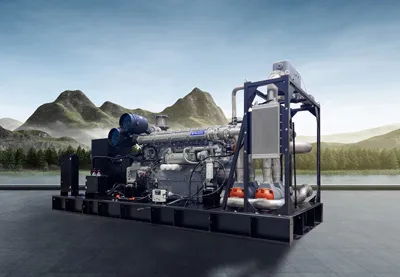
Sustainable energy management aims to meet a facility’s energy requirements reliably while improving fuel efficiency, controlling operating costs, and optimizing resource use. Generator systems can be considered not only as emergency backup sources but also as components of an integrated energy infrastructure. Natural gas generators, cogeneration systems, battery energy storage solutions, and efficient diesel generators provide different options depending on the application. Energy storage systems can store energy during periods of lower demand and support load balancing when consumption increases. Cogeneration systems can produce electricity and usable heat from the same fuel source, helping improve overall energy efficiency. Intelligent control and remote monitoring systems allow energy generation, consumption, and load distribution to be monitored and managed more effectively. Appropriate capacity planning and technology selection can also help reduce unnecessary fuel consumption. By coordinating different power technologies according to operational requirements, facilities can maintain energy continuity while establishing a more balanced, measurable, efficient, and long-term approach to energy management.