Convert Your Fuel into Maximum Efficiency!
With KJ Power cogeneration systems, use your energy in the most efficient way and maximize the benefit from your fuel!
Contact us
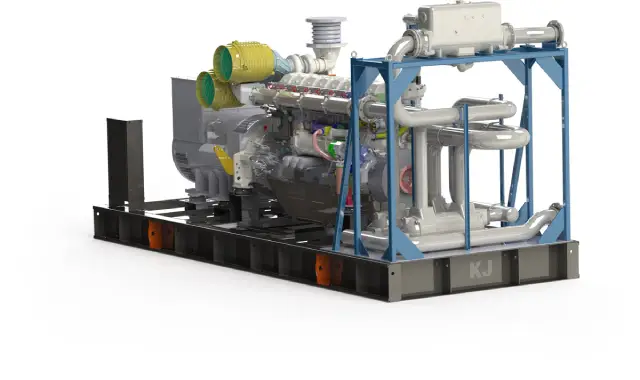
Cogeneration (Combined Heat and Power - CHP) is an energy system that produces electricity and heat at the same time. In this system, the waste heat generated during electricity production is recovered and used for heating and cooling. This increases energy efficiency and minimizes energy losses.
The key components that ensure the efficient operation of cogeneration (CHP) systems are:
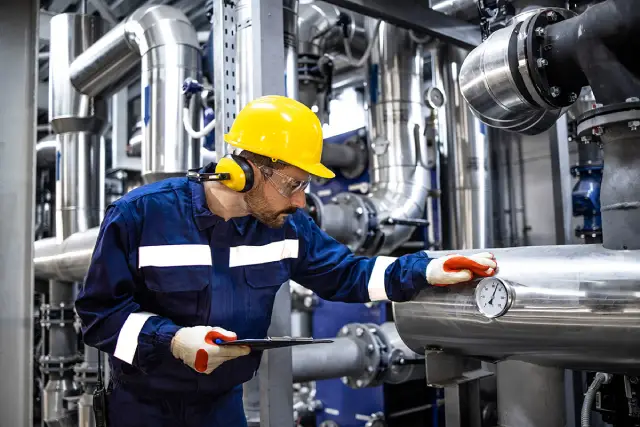
Industrial facilities, hospitals, hotels, shopping malls, universities, tourism facilities
Thanks to these heat recovery potentials, cogeneration systems offer cost-effective and environmentally friendly energy solutions, making a significant contribution to sustainable energy use.
Energy savings vary by site because CHP only creates value when both the electricity and recovered heat are useful. The strongest projects have long operating hours and a stable thermal demand that would otherwise be met by separate fuel. Savings should be calculated from measured electrical and thermal load profiles, local tariffs, fuel prices, CHP efficiency, maintenance and the amount of heat that can actually be recovered and used.
Size a cogeneration system from the simultaneous base electrical load and useful thermal demand. Review hourly load data, identify the operating range that occurs for many hours, and check whether the corresponding recovered heat can be consumed. Then consider seasonal variation, future expansion, grid import/export rules and redundancy. Sizing only to the maximum electrical demand can lead to poor utilisation.
It can, but only if the installation is specifically designed for island operation. A grid-parallel CHP unit normally relies on the utility system for voltage and frequency reference. Island operation requires suitable controls, switching, protection, load management and enough generation capacity to support the local loads after separation. The capability should be defined and tested during project design and commissioning.
CHP produces electricity and useful heat from the same fuel. CCHP, or trigeneration, adds useful cooling by driving a thermally activated cooling process with recovered heat. CCHP can be attractive where cooling demand helps use heat that would otherwise be surplus during warmer periods. Both systems still need a load profile that supports high annual utilisation.
The available fuels depend on the engine and project configuration. Natural gas is common for engine-based CHP, while some systems can use biogas, landfill gas or other approved gaseous fuels when their composition and quality meet the engine manufacturer's requirements. Fuel pressure, methane content, contaminants and treatment requirements must be checked before selecting the equipment.
CHP is financially attractive when it can run for many hours, displace relatively expensive grid electricity and use most of the recovered heat to replace a separate heating cost. The result also depends on gas price, maintenance, capital cost, financing, local incentives and interconnection rules. A site-specific lifecycle model using real energy data is the appropriate way to determine whether the project is worthwhile.
By subscribing to our newsletter, you'll be the first to receive information about our new products, promotions, and industry developments. By subscribing, you acknowledge that you have read and accepted the Personal Data Protection Law (KVKK)

KJ Power is a well-established diesel generator manufacturer operating in the energy sector since 1996. The company, which produces a wide range of diesel generator sets from 10 kVA to 5000 kVA, has international ISO 9001:2015 and other important certificates. As a generator company, it provides special generators for projects by offering special engineering solutions. Serving many sectors in Turkey, KJ Power has proven its global success as a generator manufacturer by exporting 90% of its production to more than 120 countries.

